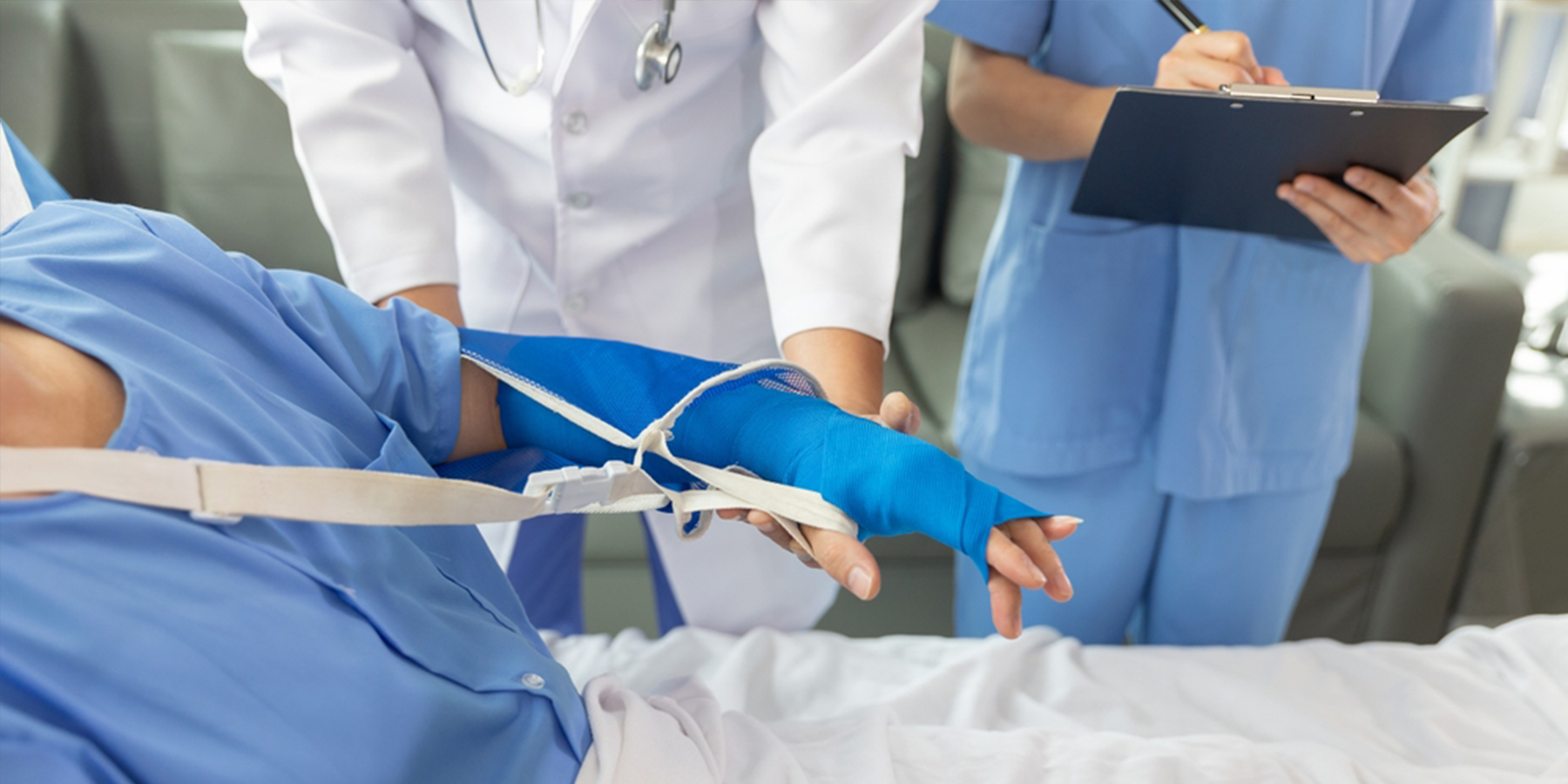
A bone fracture can occur due to high-impact trauma, falls, sports injuries, or conditions like osteoporosis that weaken bones. Proper fracture care, immediate treatment, and structured rehabilitation are critical to ensure that the bone heals in the correct alignment and you regain complete muscle strength. This guide covers immediate steps, healing phases, and recovery tips.
If you suspect a fracture, the first priority is to immobilize the affected limb using a splint or sling to prevent further damage. Apply ice packs wrapped in cloth to reduce swelling. Keep the injured limb elevated above heart level if possible. Do not attempt to realign the bone yourself or give the patient anything to eat or drink in case surgery is required.
Bone healing is a natural process that goes through several phases:
Provide your body with the building blocks of bone. Increase your intake of calcium (found in dairy, leafy greens) and Vitamin D (sunlight exposure, egg yolks) to support calcium absorption. Protein is also essential as bone is made up of a collagen protein matrix.
After your cast or splint is removed, the muscles around the joint will be weak and stiff. Undergoing professional physiotherapy is essential to regain flexibility, build muscle strength, and restore full range of motion safely. Never rush into weight-bearing activities without your orthopaedic surgeon's approval.
Our trauma care department at Family Health and Surgical Hospital is equipped with advanced digital X-ray facilities, modern plaster applications, and surgical fracture fixing options (MIPO, internal fixation) led by senior orthopaedic surgeons.