The gallbladder is a small, pear-shaped organ under the liver that stores bile, a fluid that helps digest fats. Gallstones (cholelithiasis) are hardened deposits of digestive fluid that form in the gallbladder, ranging in size from tiny sand grains to large golf balls. Many gallstones cause no symptoms, but when they block a bile duct, they require prompt medical attention.
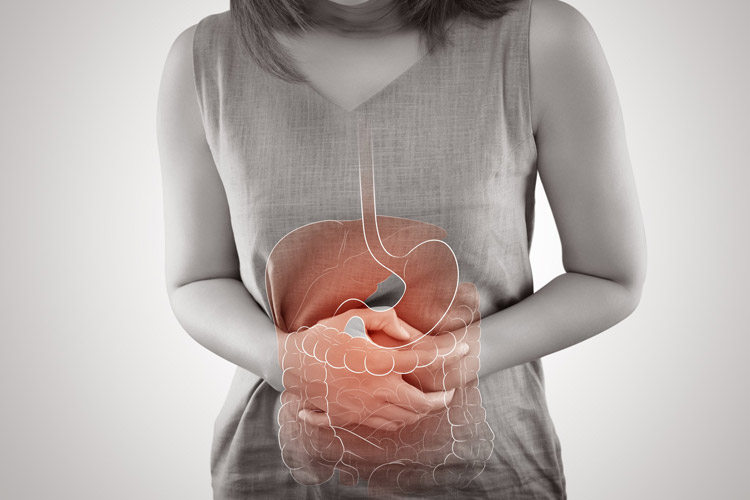
When a gallstone blocks the bile ducts, it triggers a sudden, rapidly intensifying pain in the upper right portion of the abdomen (a gallbladder attack). Other symptoms include:
Certain factors increase the likelihood of developing gallstones, including a diet high in cholesterol or fat, a sedentary lifestyle, obesity, rapid weight loss, family history, and being female (due to estrogen levels affecting cholesterol secretion in bile).
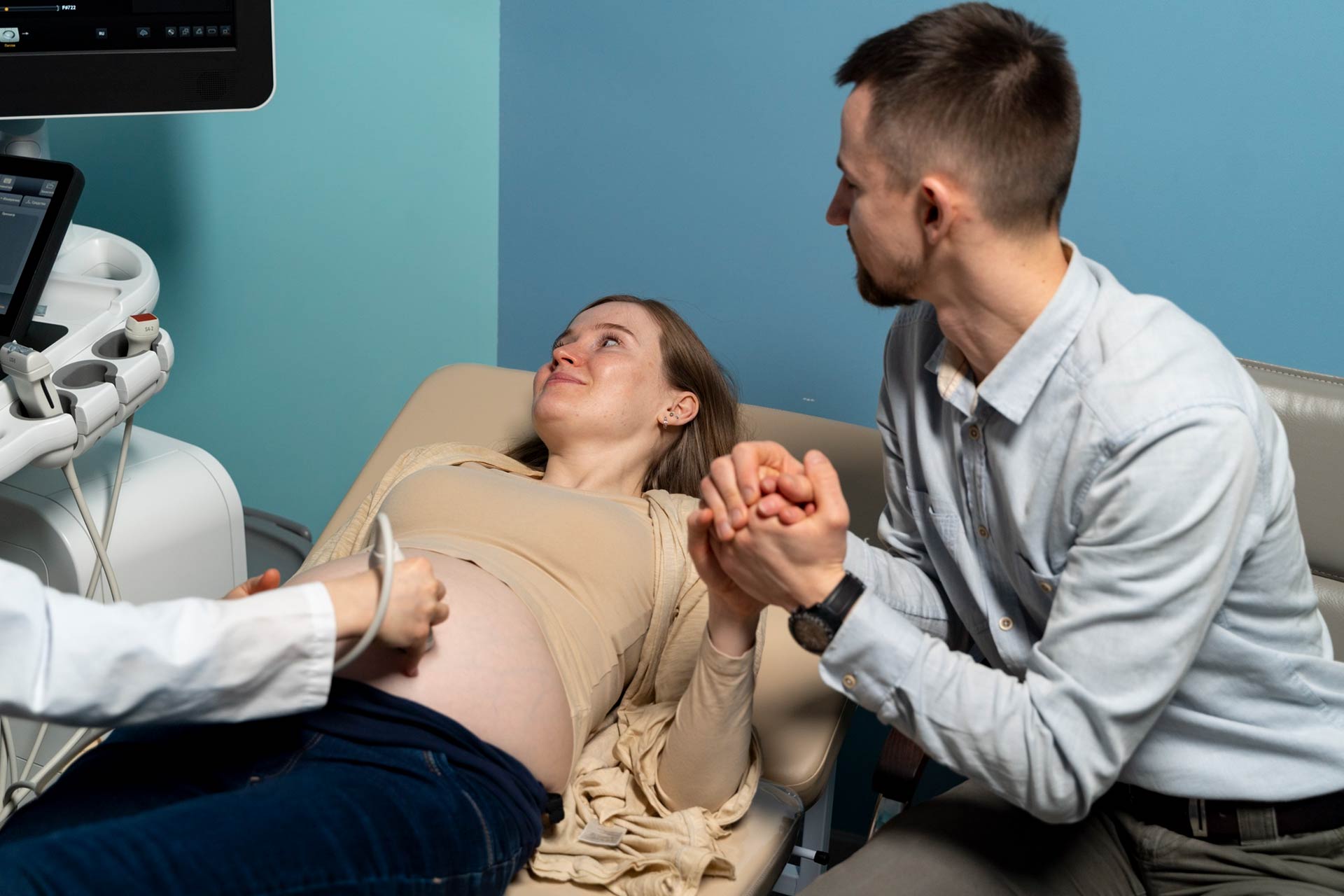
Gallstones are easily diagnosed using a routine abdominal sonography (ultrasound). If the stones are causing symptoms, the standard and most effective treatment is a cholecystectomy (surgical removal of the gallbladder). The gallbladder is not an essential organ; your liver will still produce bile, which will flow directly into the small intestine to digest food.
Laparoscopic Cholecystectomy is the gold-standard procedure, performed using 3 to 4 tiny incisions. It ensures minimal pain, short hospital stay (often discharged within 24 hours), and quick recovery.
At Family Health and Surgical Hospital, our surgical team has successfully performed thousands of laparoscopic gallbladder surgeries, ensuring premium care, advanced safety protocols, and quick post-operative recovery.